Your Month-by-Month Wellness Playbook: The Best OTC Strategies for Every Season in America
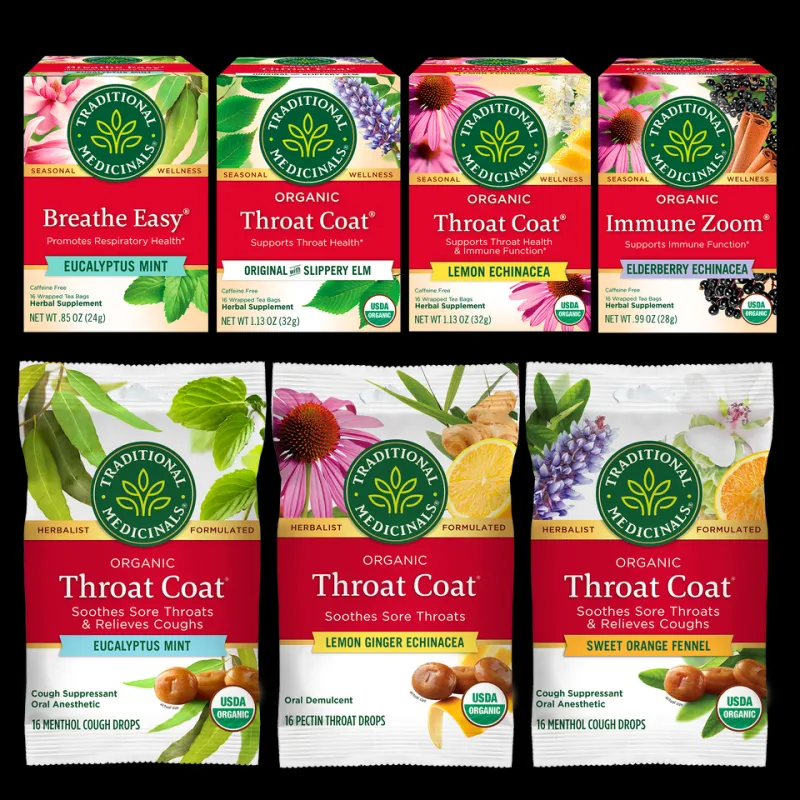
Photo: seasonal wellness products OTC medications arranged by season spring summer fall winter, via www.traditionalmedicinals.com
Health doesn't follow a straight line. It follows the seasons. The sneezing that starts every April, the stomach bugs that seem to circulate every November, the dry skin and chapped lips that arrive with December — these patterns are remarkably consistent across American households. And yet, most of us respond reactively, scrambling to the pharmacy only after symptoms have already set in.
At PharmaOTC, we think there's a smarter way to approach your health throughout the year. This month-by-month wellness guide maps America's most common seasonal health challenges to practical, evidence-informed OTC strategies, helping you anticipate what's coming and stay prepared before it arrives.
January & February: Winter's Peak — Immune Defense and Cold Recovery
The first two months of the year represent the height of cold and flu season across most of the United States. Lower temperatures push people indoors, where respiratory viruses spread efficiently through shared air and surfaces.
What to prioritize:
- Oral decongestants and expectorants for managing nasal congestion and productive coughs. Look for products containing pseudoephedrine or guaifenesin.
- Zinc lozenges — research suggests zinc may reduce the duration of the common cold when taken within 24 hours of symptom onset.
- Saline nasal rinse kits offer a drug-free way to flush allergens and irritants from nasal passages.
- Vitamin D supplements are worth considering during these low-sunlight months, particularly for individuals who spend limited time outdoors.
Preventative habit: Consistent hand hygiene remains the single most effective non-pharmaceutical strategy for reducing cold and flu transmission. Keep alcohol-based hand sanitizer (at least 60% alcohol) accessible at home, in the car, and at work.
March: The Transitional Month — Early Allergy Onset
In much of the South and Southwest, tree pollen season begins as early as late February. By March, allergy sufferers across a wide geographic swath of the country are already experiencing itchy eyes, sneezing, and nasal congestion.
What to prioritize:
- Second-generation antihistamines such as cetirizine, loratadine, or fexofenadine are non-drowsy options appropriate for daily use throughout allergy season.
- Intranasal corticosteroid sprays (available OTC) are considered by many allergists to be the most effective first-line treatment for seasonal allergic rhinitis. They work best when started a week or two before peak exposure.
- Antihistamine eye drops provide targeted relief for ocular allergy symptoms.
Preventative habit: Monitor your local pollen count using weather apps or the American Academy of Allergy, Asthma & Immunology's pollen tracking resources. On high-count days, keep windows closed and change clothes after spending time outdoors.
April & May: Peak Allergy Season — Full Defensive Mode
Spring's full arrival brings peak tree and grass pollen across most of the continental US. For the estimated 81 million Americans who suffer from seasonal allergies, April and May can be genuinely debilitating without a consistent management plan.
What to prioritize:
- Continue antihistamine and nasal spray regimens started in March.
- Oral decongestants can complement antihistamines on particularly high-symptom days but should not be used as a long-term daily solution.
- Petroleum jelly applied inside the nostrils can help trap airborne pollen before it reaches sensitive nasal tissue — a simple, underutilized strategy.
Preventative habit: Shower before bed to remove pollen from hair and skin, reducing overnight exposure during sleep.
June & July: Summer Health — Sun, Heat, and Outdoor Hazards
As allergy season winds down for many regions, summer introduces its own set of health considerations: UV exposure, heat-related illness, insect bites, and foodborne illness from outdoor cooking.
What to prioritize:
- Broad-spectrum sunscreen (SPF 30 or higher) is a non-negotiable summer essential. Reapply every two hours during outdoor activity.
- Oral rehydration solutions or electrolyte tablets help replenish fluids and minerals lost through sweating — particularly important for children, older adults, and those exercising outdoors.
- Topical hydrocortisone cream (1%) addresses itching and inflammation from insect bites, poison ivy, and sunburn-related irritation.
- Bismuth subsalicylate or loperamide for managing traveler's diarrhea or foodborne gastrointestinal upset during cookouts and travel.
Preventative habit: Apply a DEET-containing insect repellent when spending time in wooded or grassy areas to reduce the risk of tick and mosquito bites.
August & September: Late Summer to Fall Transition — Ragweed and Back-to-School Bugs
August marks the beginning of ragweed season — one of the most potent allergen sources in North America. Simultaneously, the return to school in late August and September reliably triggers a wave of respiratory illnesses as children reenter shared indoor spaces.
What to prioritize:
- Restock antihistamines and nasal corticosteroid sprays for ragweed season, which can persist through October in many states.
- Children's OTC formulations of acetaminophen or ibuprofen, age-appropriate cough and cold products, and throat lozenges for school-age household members.
- Probiotic supplements have emerging evidence supporting their role in immune function — a reasonable addition to a fall wellness routine.
Preventative habit: This is an excellent time to schedule flu vaccinations for the entire household. Most pharmacies across the US begin offering flu shots in September.
October & November: Flu Season Arrives — Preparation Is Everything
Flu activity in the United States typically begins to rise in October and peaks between December and February. These two months represent a critical window for building your household's defensive strategy.
What to prioritize:
- Flu symptom relief products: fever reducers, decongestants, cough suppressants, and throat-soothing lozenges should be restocked now — before you need them.
- Elderberry supplements have gained popularity as an immune-support option, with some studies suggesting potential benefits for reducing flu symptom duration.
- Vapor rub and nasal strips for nighttime congestion relief.
Preventative habit: Beyond vaccination, focus on sleep hygiene and stress management. Chronic sleep deprivation and elevated cortisol levels are both associated with compromised immune function.
December: The Holiday Health Gauntlet — Stress, Travel, and Winter Immunity
December combines peak cold and flu season with holiday travel, dietary indulgence, disrupted sleep schedules, and elevated stress — a formidable combination for immune health.
What to prioritize:
- Antacids and digestive enzymes for managing holiday dietary excess.
- Melatonin for supporting sleep during travel across time zones or during schedule disruptions.
- Lip balm with SPF for outdoor winter activities — lips are frequently overlooked in sun protection routines.
- Maintain your pain reliever, decongestant, and antihistamine supplies as a travel kit for holiday trips.
Preventative habit: Prioritize hydration during air travel, which exposes passengers to extremely dry cabin air and can dry out nasal mucous membranes — a key first line of defense against respiratory pathogens.
Building Your Year-Round OTC Wellness Rhythm
The most effective approach to seasonal health isn't reactive — it's anticipatory. By thinking one to two months ahead, restocking before peak demand, and maintaining a consistent set of core OTC products supplemented by seasonal additions, you can meaningfully reduce the impact of predictable health challenges on your daily life.
At PharmaOTC, our goal is to be your trusted resource for navigating these decisions with confidence. Whether you're building a spring allergy kit or stocking up for winter immune support, having the right products on hand — and understanding when and why to use them — is the foundation of a smarter, more proactive approach to everyday health.