Is Your Medicine Cabinet Working Against You? A Complete Home Pharmacy Audit Guide
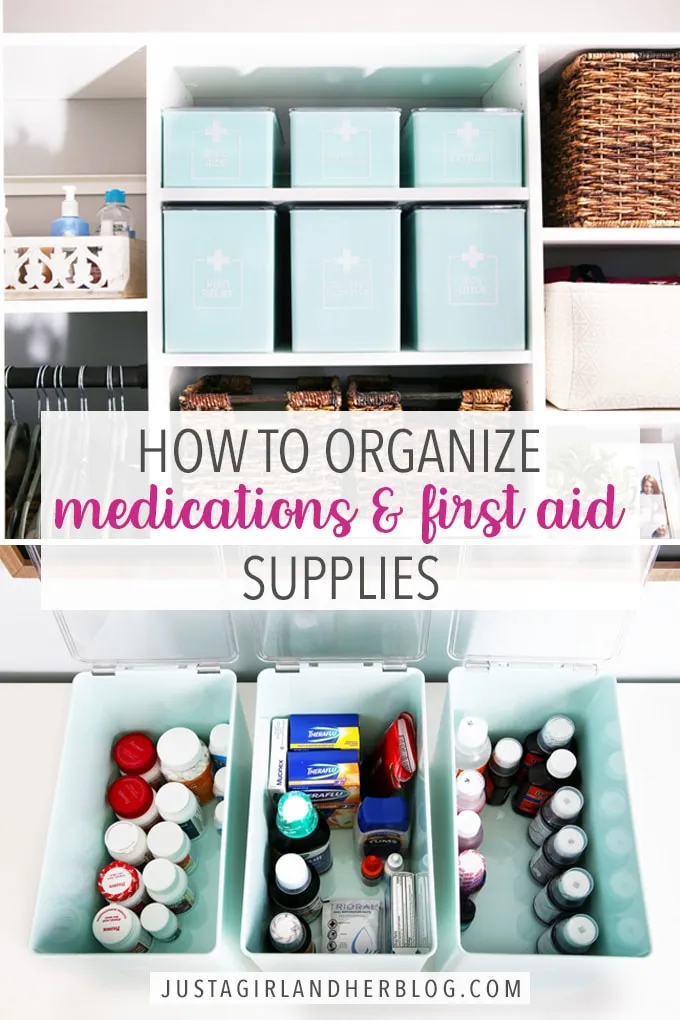
Photo: organized medicine cabinet with OTC medications bottles and first aid supplies, via justagirlandherblog.com
Open your medicine cabinet right now. Chances are you'll find a bottle of ibuprofen from two summers ago, a half-used antihistamine from last allergy season, and perhaps a cough syrup whose label has started to peel. Most American households maintain what could generously be called a "legacy collection" of over-the-counter medications — products accumulated over years, stored in varying conditions, and rarely reviewed for safety or efficacy.
At PharmaOTC, we believe that an organized, up-to-date home pharmacy is as essential to your wellness routine as any vitamin or supplement. This guide will help you conduct a thorough audit of your OTC supplies, understand what expiration dates actually mean, and build a cabinet that serves your household through every season.
Why Your Medicine Cabinet Deserves More Attention Than It Gets
The bathroom medicine cabinet is a fixture of American home life, yet it may be one of the worst places to store medications. Heat, humidity, and fluctuating temperatures — all common in bathrooms — can accelerate the chemical breakdown of many OTC products. Aspirin, for instance, can degrade into acetic acid and salicylic acid when exposed to moisture, reducing its effectiveness and potentially causing stomach irritation.
Beyond storage conditions, there's the matter of shelf life. The U.S. Food and Drug Administration (FDA) requires manufacturers to guarantee a product's potency and safety only through its labeled expiration date. After that date, a medication may be less effective — or in rare cases, potentially harmful. While some products retain reasonable potency for months beyond their expiration, others degrade rapidly. The problem is that without laboratory testing, there's no reliable way to tell which category your medication falls into.
Step One: The Full Inventory
Begin your audit by removing every item from your medicine cabinet, bathroom drawer, and any other location where you store health products. Lay everything out on a clean, flat surface. As you handle each item, look for the following:
- Expiration date: Most OTC medications display an expiration date in MM/YYYY format. Any product past this date should be considered for disposal.
- Physical changes: Tablets that are crumbling, discolored, or have an unusual odor may have degraded regardless of the printed date. Liquids that appear cloudy, separated, or have changed color should be discarded.
- Packaging integrity: Broken seals, damaged foil, or compromised bottle caps can expose medications to air and moisture, shortening their effective lifespan.
- Legibility: If you can no longer read the label, dosing instructions, or active ingredients clearly, the product should be replaced.
Understanding Expiration Dates: The Real Story
Expiration dates are not arbitrary. They represent the endpoint of stability testing conducted by the manufacturer under specific storage conditions. Importantly, these tests assume the product has been stored correctly — typically at room temperature (around 68–77°F) in a dry, low-light environment.
If your medications have been stored in a steamy bathroom or a hot car glove compartment, the effective expiration date may be considerably earlier than what's printed on the label. Conversely, medications kept in a cool, dark, dry location — such as a bedroom closet or a dedicated kitchen cabinet away from the stove — may retain potency closer to, and occasionally slightly beyond, their labeled date.
That said, PharmaOTC recommends adhering strictly to printed expiration dates as a best practice. The peace of mind that comes with knowing your medication is within its tested efficacy window is worth the modest cost of replacement.
What to Keep Year-Round: Your Core OTC Essentials
Certain medications earn a permanent place in a well-maintained home pharmacy. These are products that address common, unpredictable ailments regardless of the time of year:
Pain and Fever Relief Acetaminophen and ibuprofen are foundational. Keep both on hand, as they work differently and are appropriate for different situations. Aspirin is also worth maintaining for adults, particularly given its role in cardiac event response per physician guidance.
Digestive Health Antacids, anti-diarrheal medications (such as loperamide), and gentle laxatives address some of the most common discomforts Americans experience throughout the year. These products tend to have relatively long shelf lives and are worth keeping stocked.
Wound Care Antiseptic solutions, adhesive bandages in multiple sizes, antibiotic ointment, and sterile gauze pads are non-negotiable. These items don't expire quickly and are needed year-round.
Antihistamines A non-drowsy antihistamine like cetirizine or loratadine is useful beyond allergy season — for insect bites, mild skin reactions, and unexpected allergen exposures. A diphenhydramine-based option can also serve as a sleep aid when needed.
Seasonal Additions: What to Stock and When
Beyond your year-round core, certain OTC products are best kept on a seasonal rotation:
Spring and Summer: Stock up on topical hydrocortisone for insect bites and contact dermatitis, sunscreen with broad-spectrum SPF 30 or higher, and oral rehydration solutions for heat-related dehydration. Allergy sufferers should replenish antihistamines and consider adding a nasal corticosteroid spray.
Fall and Winter: Cold and flu season calls for stocking decongestants, expectorants, throat lozenges, and cough suppressants. Zinc lozenges and vitamin C supplements are popular additions for immune support. Saline nasal spray is a gentle, medication-free option for managing congestion.
Safe Disposal: Don't Just Toss It in the Trash
Once you've identified medications to discard, proper disposal matters. The FDA recommends using community drug take-back programs as the preferred method — many pharmacies, including national chains and independent locations, participate in these initiatives. The DEA's National Prescription Drug Take Back Day, held twice annually, offers another convenient option.
If no take-back option is available, the FDA provides guidance on mixing certain medications with an undesirable substance (such as coffee grounds or dirt) and sealing them in a container before placing them in household trash. Flushing is recommended only for a specific list of medications where the risk of accidental ingestion by others outweighs environmental concerns.
Building the Ideal Storage Setup
Once your audit is complete and you've restocked with fresh, in-date products, the final step is establishing better storage habits. Consider relocating your medications entirely out of the bathroom and into a cool, dry space — a hallway closet shelf or bedroom drawer works well. Use a small organizer or labeled bins to separate categories: pain relief, digestive health, cold and flu, wound care.
Set a calendar reminder every six months to conduct a brief check-in — not a full audit, but a quick scan for expired items and a review of what needs replenishing before the next season arrives.
A well-maintained medicine cabinet is a quiet investment in your household's health. When a headache strikes at midnight or a child develops a fever on a holiday weekend, having reliable, in-date medications on hand is not a luxury — it's preparedness. At PharmaOTC, we're here to help you build and maintain that foundation, one informed choice at a time.