What's Really in That Tablet? A Label-Reading Guide to Inactive Ingredients in OTC Products
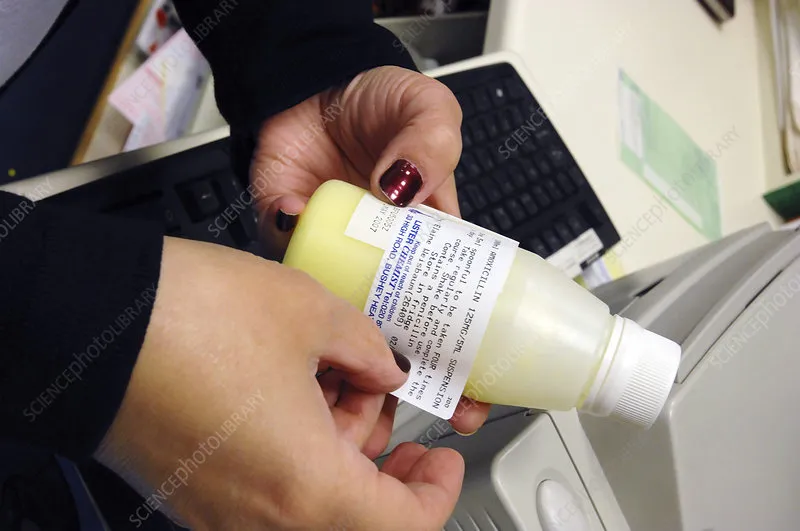
Photo: person reading medication label ingredients pharmacy bottle closeup, via media.sciencephoto.com
Pick up any over-the-counter medication and flip it over. The active ingredient is listed clearly, often in bold. Below it, however, is a dense paragraph of names that most consumers scroll past entirely: microcrystalline cellulose, FD&C Yellow No. 6, polysorbate 80, sorbitol, carnauba wax.
These are inactive ingredients — also called excipients — and the term is something of a misnomer. For a meaningful portion of the American population, these components are anything but inactive. They can trigger allergic reactions, worsen digestive conditions, provoke behavioral responses in children, and cause significant discomfort in people with specific sensitivities.
This guide is designed to help you read beyond the active ingredient and make more informed choices about what you are actually putting into your body.
Why Inactive Ingredients Exist
Excipients serve legitimate manufacturing purposes. Binders hold tablets together. Fillers add bulk to tiny doses of active compounds. Coatings protect the stomach or mask bitter flavors. Preservatives extend shelf life. Colorants help consumers and pharmacists distinguish between products.
The FDA does classify most inactive ingredients as Generally Recognized as Safe (GRAS), and for the majority of users, they pose no concern. However, "generally safe" does not mean universally tolerated. Sensitivity to specific excipients is more common than many people realize, and the problem is compounded by the fact that inactive ingredients are not required to appear on the principal display panel — they are buried in the supplemental drug facts or package insert, making them easy to overlook.
Artificial Dyes: Color With Consequences?
Some of the most debated excipients in OTC medications are synthetic colorants. FD&C dyes — including Red No. 40, Yellow No. 5 (tartrazine), and Yellow No. 6 — are used widely in tablets, capsules, and liquid formulations.
The controversy around these dyes is not new. A landmark 2007 study published in The Lancet found an association between a mixture of artificial food dyes and increased hyperactivity in children. While the FDA has not issued a ban on these substances in the US, it has acknowledged the study's findings, and the European Union now requires warning labels on foods containing certain dyes.
For parents managing children's OTC medications — cough syrups, chewable tablets, liquid antihistamines — this is a particularly relevant consideration. Dye-free formulations exist for many common children's products. They are not always prominently marketed, but they can often be found by scanning the label or asking a pharmacist.
Adults with tartrazine sensitivity (Yellow No. 5) should also be aware that this dye has been associated with allergic-type reactions, including hives and nasal congestion, in susceptible individuals.
Sugar Alcohols: The Digestive Disruptor
Sorbitol, mannitol, xylitol, and maltitol are sugar alcohols commonly used as sweeteners in chewable tablets, liquid medications, and sugar-free formulations. They are particularly prevalent in products marketed to diabetics or those monitoring sugar intake.
The problem is that sugar alcohols are poorly absorbed in the small intestine and are fermented by bacteria in the large intestine, a process that produces gas and draws water into the colon. For individuals with irritable bowel syndrome (IBS), Crohn's disease, or general digestive sensitivity, even modest amounts of sorbitol can cause bloating, cramping, and diarrhea.
The irony is significant: a consumer reaching for an antacid or a digestive remedy may inadvertently be ingesting an ingredient that worsens their gastrointestinal symptoms. Always check the inactive ingredient list if you have a sensitive digestive system, and look for solid tablet formulations when a chewable or liquid alternative is not necessary.
Hidden Allergens: Soy, Gluten, Lactose, and Shellfish
Allergens in OTC medications represent a category of concern that is both underappreciated and potentially serious.
Lactose is used as a filler in many tablet formulations. For individuals with lactose intolerance or dairy allergies, this can be a source of unintended symptoms — particularly when taking medications multiple times per day.
Soy derivatives appear in some softgel capsules and coatings. Soy lecithin, in particular, is a common emulsifier. While highly refined soy lecithin is generally considered low-risk even for soy-allergic individuals, those with severe soy allergies should verify with a pharmacist before assuming it is safe.
Gluten can be present in starch-based fillers derived from wheat. Most major manufacturers now disclose whether their products are gluten-free, and many have reformulated accordingly — but this is not universal. Consumers with celiac disease should treat OTC medications with the same scrutiny they apply to food labels.
Shellfish-derived ingredients appear in an unexpected place: glucosamine supplements, which are widely used for joint support. Most commercial glucosamine is derived from the shells of shrimp, crab, or lobster. Consumers with shellfish allergies should seek out vegetarian glucosamine (typically derived from corn) and confirm the source with the manufacturer.
Preservatives and Sensitivities
Benzalkonium chloride, a preservative used in nasal sprays and eye drops, has been associated with rebound nasal congestion with prolonged use and may irritate sensitive airways in some individuals. Parabens, used in liquid formulations, have been the subject of ongoing scientific debate regarding endocrine disruption, though current evidence does not support avoiding them in typical consumer exposures.
For those who prefer to minimize preservative exposure, preservative-free alternatives are available for several OTC categories, including artificial tear eye drops and certain nasal saline sprays. These are often packaged in single-use vials to compensate for the absence of preservatives.
How to Read an OTC Label Effectively
Navigating inactive ingredients does not require a chemistry background. Here is a practical approach:
- Locate the full ingredient list. On most OTC products, this appears in the Drug Facts panel under "Inactive Ingredients" or on the package insert. Do not rely solely on the front label.
- Cross-reference your known sensitivities. Keep a short list of ingredients you react to and scan for them specifically — you do not need to evaluate every excipient.
- Use the FDA's Inactive Ingredient Database. This publicly available tool (accessible at fda.gov) allows you to search by ingredient and see which approved drug products contain it.
- Ask your pharmacist to compare formulations. Generic and brand-name versions of the same active ingredient frequently use different excipients. A pharmacist can help you identify an alternative that avoids your problem ingredients.
- Look for "free-from" certifications. Labels reading dye-free, gluten-free, lactose-free, or preservative-free can simplify your search, though they are not comprehensive guarantees.
Finding Cleaner Alternatives for Common Conditions
For allergy relief, dye-free versions of loratadine and cetirizine are widely available. Liquid formulations for adults should be checked for sorbitol content.
For heartburn and antacids, calcium carbonate tablets vary significantly in their excipient profiles. Plain, unflavored chewable varieties tend to have shorter ingredient lists.
For cold and flu, combination products are the most complex from an excipient standpoint. Single-ingredient products — a standalone decongestant, a standalone expectorant — give you more control over what you are ingesting and make it easier to identify the source of any reaction.
The Takeaway
The active ingredient is only part of the story. For consumers with allergies, digestive conditions, sensitivities to dyes, or dietary restrictions, the inactive components of an OTC medication can be just as consequential as the therapeutic compound itself. At PharmaOTC, we encourage every consumer to look past the front of the box. A few extra minutes spent reading the full label — or a brief conversation with your pharmacist — can make the difference between a remedy that helps and one that quietly makes things worse.