Same Shelf, Different Rules: How the Supplement Industry Escapes the Scrutiny Applied to OTC Medications
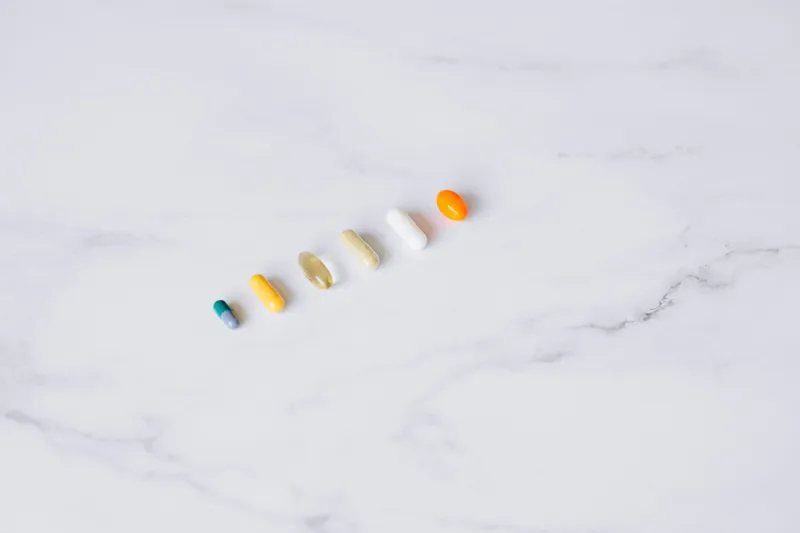
At first glance, the pharmacy shelf appears to be a level playing field. A bottle of ibuprofen sits beside a bottle of turmeric capsules. A box of antihistamine tablets shares space with a container of elderberry gummies. The packaging is professional, the claims are confident, and the price points are comparable. What the shelf does not communicate — and what most consumers never learn — is that these two categories of products are governed by entirely different regulatory philosophies, with consequences that extend well beyond the label.
How OTC Medications Actually Get to Market
Over-the-counter medications sold in the United States are subject to oversight by the Food and Drug Administration under a framework that demands demonstrated safety and efficacy before a product reaches consumers. Manufacturers must either follow established FDA monographs — standardized guidelines specifying acceptable active ingredients, dosages, and labeling — or submit a New Drug Application and receive formal approval. Either path requires documented evidence that the product does what it claims to do and that it does so without posing unreasonable risks.
The agency also mandates standardized labeling for OTC drugs, including the Drug Facts panel that lists active ingredients, their purposes, directions for use, and warnings. Post-market surveillance means the FDA can and does pull products from shelves when safety concerns emerge. The system is imperfect, but it operates on a foundational premise: the burden of proof falls on the manufacturer.
The Supplement Exception: A Different Burden of Proof
Dietary supplements — a category that includes vitamins, minerals, herbal extracts, amino acids, enzymes, and a wide range of botanical products — operate under the Dietary Supplement Health and Education Act of 1994, commonly known as DSHEA. This legislation fundamentally inverted the regulatory burden. Under DSHEA, manufacturers are not required to demonstrate that their products are safe or effective before selling them. Instead, the FDA must prove that a supplement is unsafe before it can take action to remove it.
This distinction is not a technicality. It means that a company can formulate a product, make health-related claims within certain boundaries, and place it on store shelves without ever submitting a single clinical trial, independent laboratory result, or safety dossier to federal regulators. The manufacturer is responsible for ensuring safety, but there is no mandatory pre-market review process to verify that they have done so.
The FTC does regulate advertising claims for supplements, and the FDA requires that structure/function claims — statements like "supports immune health" or "promotes joint comfort" — be accompanied by a disclaimer noting the product has not been evaluated by the FDA and is not intended to diagnose, treat, cure, or prevent any disease. But these guardrails are modest compared to the scrutiny applied to OTC drugs.
What This Means in Practice
The real-world implications of this regulatory divergence are substantial. Independent testing by organizations such as ConsumerLab and NSF International has repeatedly found that a meaningful percentage of supplements on the market contain ingredients in amounts that differ significantly from what the label states. Some products have been found to contain contaminants, undisclosed pharmaceutical compounds, or none of the advertised active ingredient at all.
Because the FDA does not require pre-market testing, these discrepancies can persist for years before regulatory action occurs — if it occurs at all. The agency's resources for supplement oversight are limited relative to the sheer volume of products on the market, which numbers in the tens of thousands.
Consumers are therefore making purchasing decisions based on claims that may be unverified, dosages that may be inaccurate, and quality standards that vary enormously from one manufacturer to the next.
The Gray Area Gets Grayer: When Supplements Approach Drug Territory
The regulatory boundary between supplements and drugs is not always as clear as the law implies. Some supplements contain bioactive compounds at doses high enough to produce measurable physiological effects — and measurable risks. High-dose melatonin, St. John's Wort, and certain herbal weight-loss compounds can interact with prescription medications in clinically significant ways. Yet because they are marketed as supplements, they carry none of the interaction warnings mandated for OTC drugs.
This creates a genuine hazard for consumers who assume that anything sold without a prescription has been vetted for safety at a comparable standard. That assumption is incorrect, and the consequences of acting on it can range from wasted money to serious drug interactions.
A Practical Framework for Evaluating Supplement Quality
Given the limitations of regulatory oversight, consumers who choose to use supplements must become their own quality auditors. The following framework provides a starting point.
Look for third-party verification. Several independent organizations test supplements for purity, potency, and manufacturing quality. Products bearing seals from NSF International, USP (United States Pharmacopeia), or ConsumerLab have been voluntarily submitted for external testing. These seals do not guarantee efficacy, but they provide meaningful assurance that the product contains what the label claims, in the stated amounts, without harmful contaminants.
Scrutinize the claims. Legitimate supplement manufacturers operate within FTC and FDA guidelines, meaning their claims should be measurable and modest. Phrases like "clinically proven to cure" or absolute health claims are red flags. The required disclaimer — "This statement has not been evaluated by the Food and Drug Administration" — should be present on any structure/function claim.
Research the manufacturer. Established companies with transparent manufacturing practices, publicly available quality documentation, and a verifiable history in the industry are preferable to unfamiliar brands making outsized promises. Look for Current Good Manufacturing Practice (cGMP) compliance, which the FDA does require of supplement manufacturers even if it does not pre-approve their products.
Consult a pharmacist before combining supplements with medications. This step is frequently overlooked, but it is arguably the most important. Pharmacists are trained to identify potential interactions and can help you assess whether a supplement's purported benefits are supported by credible evidence — or whether you are paying for an unverified claim.
Be skeptical of proprietary blends. Labels that list a "proprietary blend" without specifying individual ingredient amounts make it impossible to assess whether any single component is present at a therapeutically relevant dose.
The Consumer's Role in a Regulatory Gap
It is reasonable to ask why the regulatory framework has not evolved to address these gaps more aggressively. The answer involves a combination of political history, industry lobbying, and the genuine complexity of regulating a category that spans everything from vitamin C tablets to concentrated herbal extracts. Legislative reform has been proposed repeatedly but has not produced significant changes to DSHEA's core structure.
In the absence of stronger federal oversight, the responsibility for navigating this landscape falls disproportionately on the individual consumer. That is not an ideal situation, but it is the current reality. Approaching the supplement aisle with the same critical scrutiny you would apply to any significant health decision — asking for evidence, verifying credentials, and consulting qualified professionals — is the most effective tool available.
At PharmaOTC, we believe informed consumers make better health decisions. Understanding that two products sharing a shelf can exist in entirely different regulatory universes is not cause for alarm, but it is cause for careful, deliberate evaluation every time you reach for a supplement bottle.